
Written by: Marc Howland, Co-Founder and CEO, Breadless | Last updated: August 23, 2026
Key Takeaways
- Ghost kitchen fast casual concepts remove dining rooms, front-of-house staff, and complex cooking infrastructure. This shift cuts build-out costs from $300,000–$800,000+ down to $30,000–$80,000.
- Lean footprints of 200–1,500 square feet and pre-programmed oven systems remove the need for skilled line cooks. Operators reduce labor costs and simplify day-to-day execution.
- Operators can reach 15–20% net profit margins by spreading revenue across delivery platforms, direct pickup, and B2B catering while limiting exposure to 15–30% third-party commissions.
- Breadless shows this model in action with a 1,000–1,500 square foot chefless kitchen, a supergreen-wrapped menu, and hybrid revenue channels that deliver low-glycemic, portable meals.
- Multi-unit operators seeking a scalable, low-CAPEX path into fast casual can explore Breadless franchise opportunities while territories remain open.
The Problem: Traditional Fast Casual Costs Too Much and Grows Too Slowly
Fast-casual and QSR buildouts typically cost $300,000–$800,000+ per unit, covering franchise fees, leasehold improvements, and equipment. Grills, fryers, and Type 1 commercial ventilation hoods alone can exceed $100,000 combined. Ventilation and hood systems are often among the most expensive and complex elements of a kitchen buildout but typically cost less than the total equipment package, so the full line pushes capital requirements even higher.
Labor magnifies the challenge. Fast casual restaurants typically incur labor costs of 24–32% of revenue and occupancy costs of about 5% of sales. Grills and fryers increase burn risk, raise insurance costs, and make skilled-line hiring harder in an already tight labor market.
Category saturation closes the remaining door. Prime territories for established sandwich and salad brands are largely sold out. Multi-unit operators who have hit their growth ceiling inside legacy systems face a structural dead end. More capital is required, fewer territories are available, and consumers are increasingly skeptical of processed-carb-heavy menus.
The Solution: Structural Advantages of Ghost Kitchen Fast Casual
Ghost kitchens operate as delivery-only or virtual restaurants with no dining room, storefront, or walk-in traffic, relying solely on back-of-house staff to fulfill online orders. The structural advantages over legacy fast casual are clear and measurable:
- Compact footprint of 200–1,500 square feet with no dining room allocation
- Simplified kitchen without grills, fryers, or Type 1 commercial hoods
- Lean crew by eliminating front-of-house roles compared to a traditional restaurant
- Hybrid revenue across delivery platforms, direct pickup, and B2B catering
- Well-run ghost kitchens achieve average net profit margins of 15–20% in 2026 when third-party commissions stay under 40% of orders, versus 6–9% for traditional fast casual.
The model trades dining-room revenue for dramatically lower fixed costs, faster launch timelines, and the ability to scale without replicating expensive infrastructure at every new unit. Understanding these structural advantages in concrete financial terms requires examining the actual cost breakdown.
Monthly Cost Profile for a Ghost Kitchen Fast Casual Concept
All-in startup costs for a ghost kitchen fast casual concept in 2026 run $30,000–$80,000, broken down as follows:
- First and last month's kitchen rent: $3,000–$10,000
- Smallwares and equipment: $5,000–$15,000
- Initial food inventory: $3,000–$8,000
- Packaging: $1,000–$3,000
- Permits: $500–$2,000
- 60-day working capital reserve: $15,000–$40,000
Monthly operating costs for a ghost kitchen fast casual concept cover rent, supplies and smallwares, food cost typically around 30% of revenue, and labor for part-time prep cooks. These recurring expenses stay lower than those of a full-service or traditional fast-casual restaurant because there is no dining room or front-of-house staff.
The most persistent margin pressure comes from delivery platform commissions. DoorDash and Uber Eats charge tiered delivery commissions of 15–30% while Grubhub charges 5–20% marketing commission plus separate fees, so operators net less before subtracting food cost, labor, packaging, and allocated rent. Operators who build direct-order and catering channels alongside platform delivery reduce this dependency and improve per-order economics.
Ghost kitchen operators can reach profitability within months depending on order volume, marketing, and cost control. This timeline is materially faster than the up-to-five-year breakeven common in traditional restaurant launches.
Launch Timeline: How to Start a Ghost Kitchen Fast Casual Concept
The launch sequence for a commissary-based ghost kitchen fast casual concept runs 3–12 weeks depending on kitchen type and permit complexity. A single virtual brand operating from a rented commissary stall can reach first orders in a few weeks because the facility's kitchen infrastructure and permits are already established. Private buildouts usually take eight to twelve weeks.
- Weeks 1–3 — Business setup and permits: Register the entity, obtain a food service permit, and secure liability insurance. Decide whether a shared commissary or dedicated facility fits the concept's volume and menu requirements.
- Weeks 1–6 — Kitchen and equipment: Commissary stalls dramatically reduce both timeline and cost because the facility's hood, grease trap, and walk-in infrastructure are already in place. Only about $4,000 in smallwares plus countertop equipment is typically required to begin production, while private buildouts require a full commercial line.
- Weeks 2–4 — Menu engineering and supplier agreements: Finalize recipes, standardize portion specs, and negotiate food cost targets at 28–32% of projected revenue.
- Weeks 3–5 — Platform onboarding and digital presence: Create listings on DoorDash, Uber Eats, and Grubhub. Build a direct-order channel to reduce commission dependency, and configure a Kitchen Display System for multi-platform order management.
- Weeks 4–12 — Soft launch, catering outreach, and refinement: Run a controlled soft launch to calibrate ticket times and packaging quality. Then layer in B2B catering outreach to corporate clients for recurring off-platform revenue.
Breadless: A Working Example of Ghost Kitchen Fast Casual
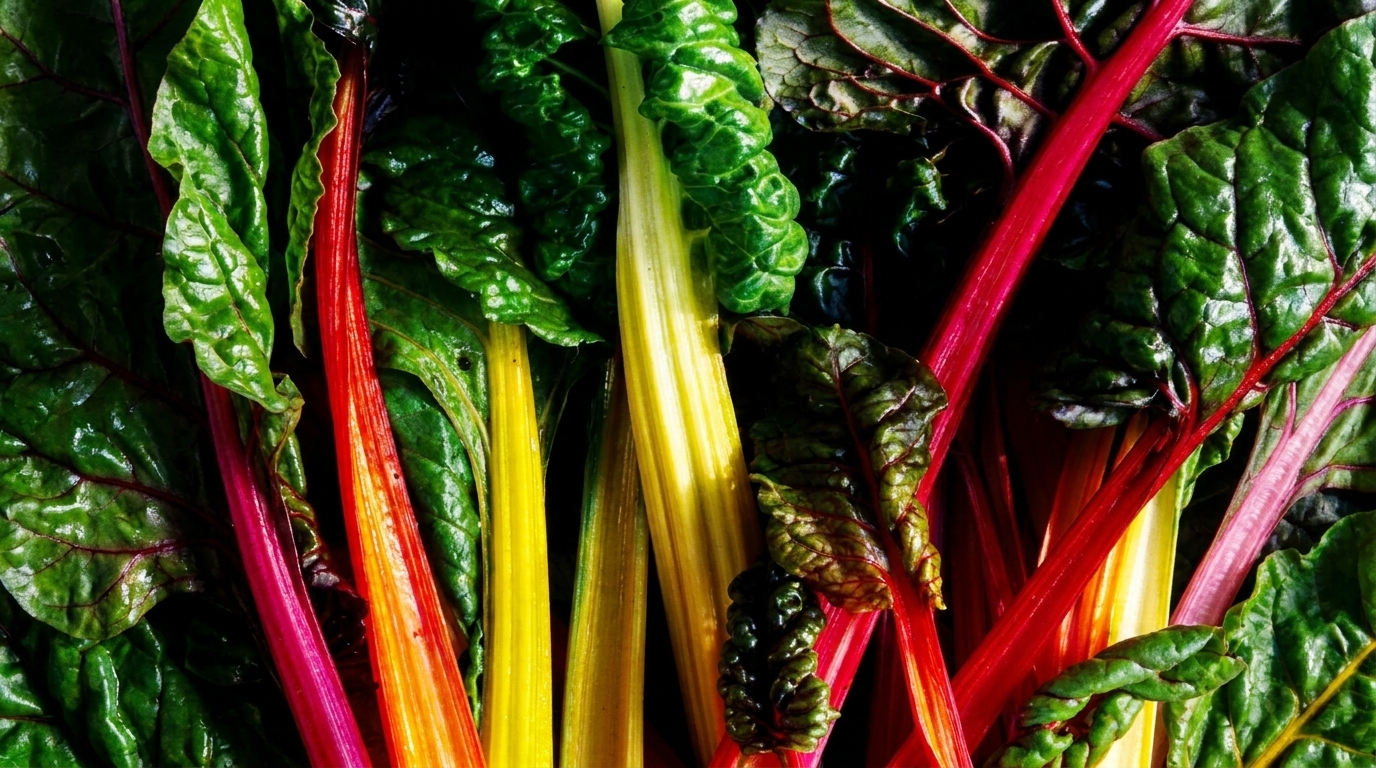
Breadless replaces traditional bread with nutrient-dense leafy supergreens such as Swiss chard, collard greens, and romaine. This approach creates a new category of portable, low-glycemic fast casual food. Breadless exemplifies this lean approach with its compact footprint, which operates with no hoods, grills, or fryers.
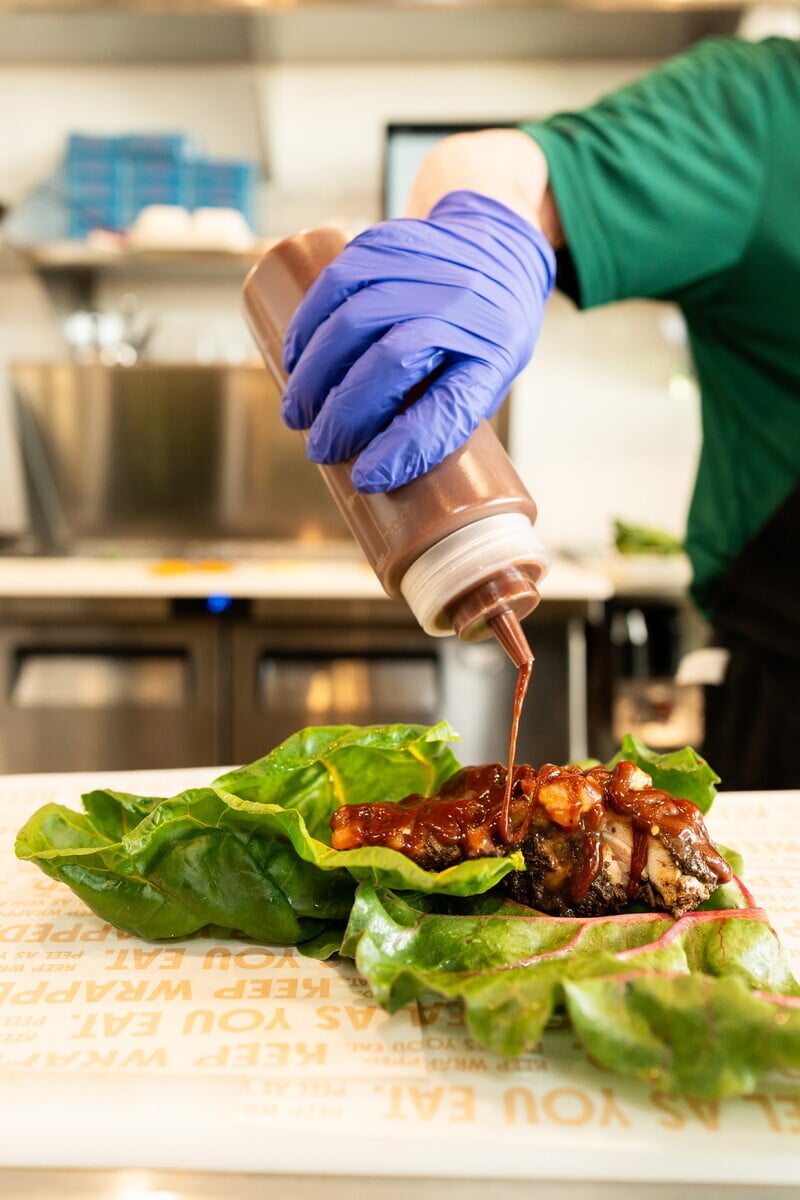
A pre-programmed oven system executes chef-designed recipes such as Caribbean jerk chicken, house-braised beef, and falafel with the press of a button. This system removes the need for skilled line cooks and keeps execution consistent across shifts.
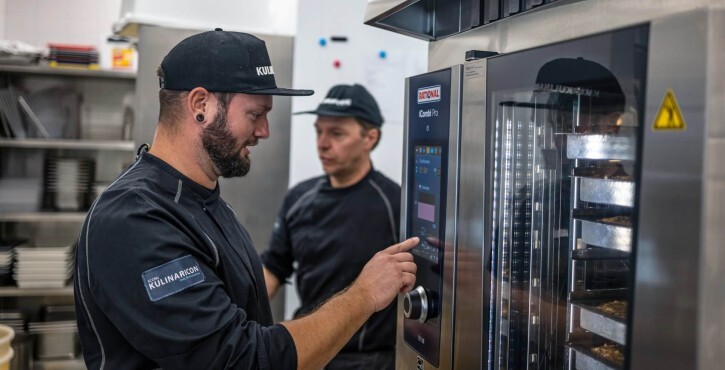
Revenue channels extend beyond delivery. Breadless catering serves corporate lunches, team meetings, and social events, converting the kitchen into a recurring B2B revenue engine. The Director of Operations and Franchise Readiness at Breadless, who previously opened over 100 locations for Chipotle, Taco Bell, and Popeyes, states: "Breadless is the easiest concept to operate of all of them by far."
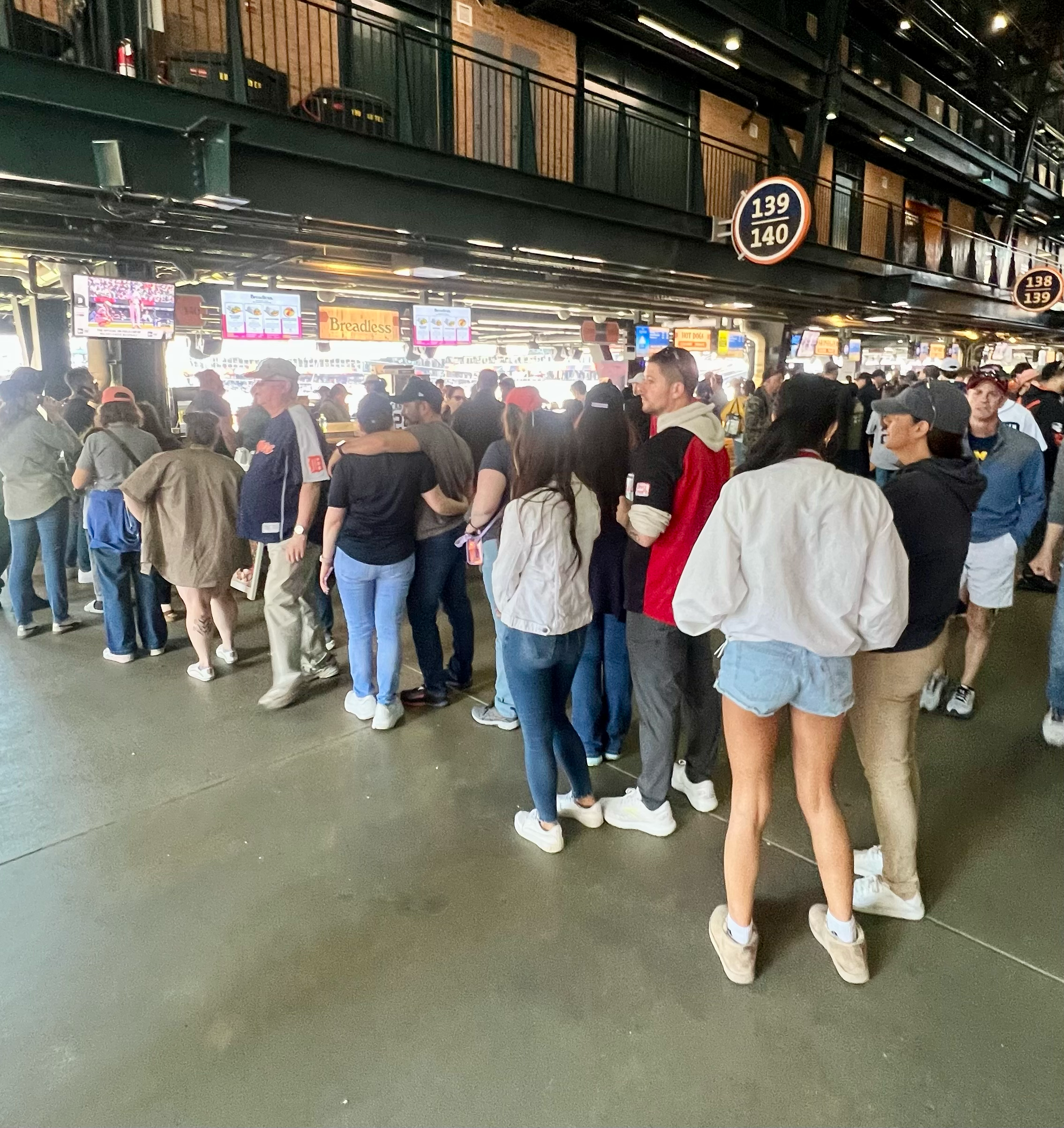
Breadless has grown from gym pop-ups to multiple Metro Detroit storefronts and a location inside Comerica Park, with national franchise expansion planned for later in 2026 and into 2027. Named one of the Top 20 Fast Casual Brands to Watch by Fast Casual Magazine, the brand currently has 50+ qualified applicants on its franchise waitlist.
Learn more about Breadless franchise opportunities while territories remain open.
Pain Point 1: High CAPEX vs. Lean Footprint Solution
Challenge: Traditional fast-casual buildouts run $300,000–$800,000+ per unit, with equipment packages for grills, fryers, and Type 1 hoods representing a significant share of that total.
Model address: The ghost kitchen fast casual model eliminates the dining room, front-of-house buildout, and complex cooking infrastructure. Breadless's compact footprint with no hoods, grills, or fryers produces an accessible initial investment and a 7–10 week build timeline. Ghost kitchens save on startup costs compared to traditional restaurants by removing dining room buildout, front-of-house furniture, and prime-location rent premiums.
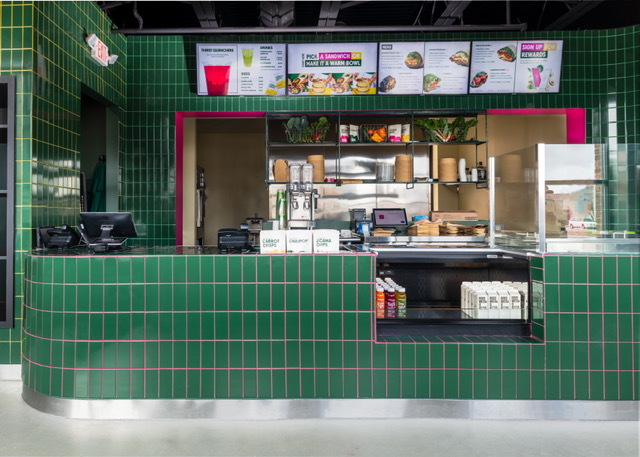
Trade-offs: Lower CAPEX comes with reduced dine-in revenue potential and dependence on delivery platform economics. Operators who add direct pickup and catering channels offset this exposure.
Pain Point 2: Skilled-Labor Shortage vs. Chefless Oven Execution
Challenge: Operators struggle to find, train, and retain skilled kitchen staff. Grills and fryers add burn risk, raise insurance costs, and narrow the hiring pool.
Model address: Breadless's pre-programmed oven system de-skills the labor requirement entirely. An employee places food in the oven and presses cook. No active monitoring, grill technique, or fryer management is required. Ghost kitchens often require fewer staff by eliminating front-of-house roles, which lowers labor costs as a percentage of revenue compared to traditional fast casual.
Trade-offs: Simplified execution requires disciplined supplier relationships to maintain ingredient quality. The kitchen cannot compensate for inconsistent raw inputs the way a skilled chef might.
Pain Point 3: Crowded Sandwich and Salad Categories vs. Supergreen-Vessel Category
Challenge: Prime territories for legacy sandwich and salad brands are largely exhausted. Multi-unit operators inside those systems face growth ceilings with no new markets to develop.
Model address: Breadless is neither a sandwich brand nor a salad brand. Swiss chard and collard greens score a maximum of 1,000 on the Aggregate Nutrient Density Index (ANDI), so the vessel itself becomes a functional nutritional component rather than an empty-calorie filler. Marc Howland has stated: "Five years from now, you're going to see hundreds of Breadless locations bringing feel-good fuel to communities across the country." The category is new, the map is open, and early franchisees can secure entire markets.
Trade-offs: New category creation requires consumer education investment. The brand's national media coverage in Forbes, CBS News, Eater, and FOX reduces this burden for incoming franchisees.
Pain Point 4: Post-Lunch Productivity Crash vs. Low-Glycemic Portable Meals
Challenge: Processed carbohydrates in traditional bread cause an insulin spike and subsequent energy crash, which reduces afternoon cognitive output. Consumer expectations have evolved beyond speed alone. Today's consumers juggle work, family, and fitness goals and want food that is convenient, nutritionally transparent, and easy to fit into their routine.
Model address: Breadless's supergreen-wrapped sandwiches are low-glycemic, naturally gluten-free, and Whole30 Approved®. The format is one-handed and portable, so guests do not need a fork, table, or dedicated lunch break. Working professionals represent a key segment in the healthy instant meal market through 2035, which supports the demand trajectory behind this positioning.
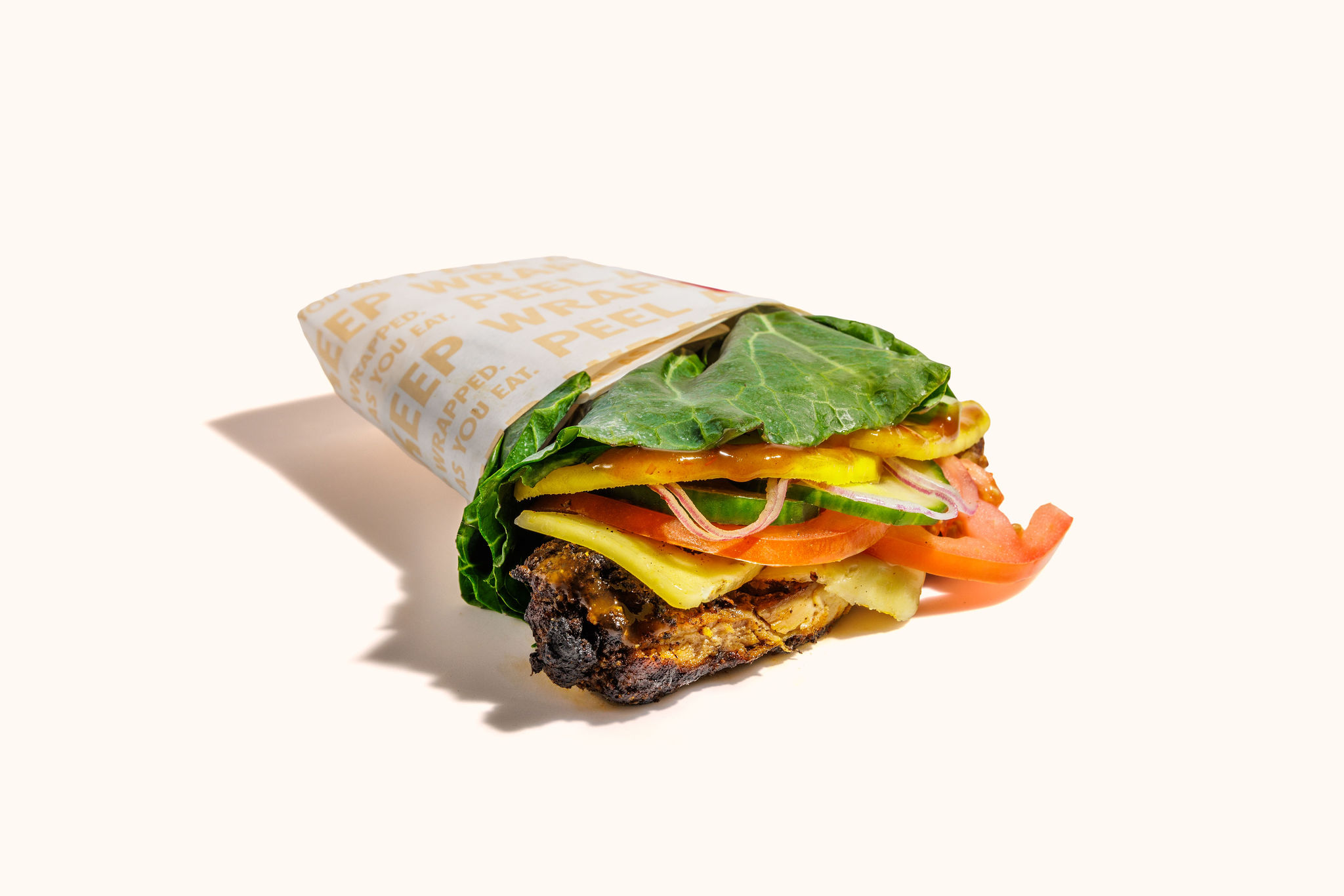
Trade-offs: The low-glycemic, supergreen positioning resonates most strongly with health-aware consumers. Operators in markets with lower health-consciousness indices may need to invest more in consumer education at launch.
Pain Point 5: Single-Channel Revenue vs. Hybrid Pickup and B2B Catering
Challenge: Ghost kitchens that rely exclusively on third-party delivery platforms face commission drag on every order. This structure compresses margins on each transaction and limits reinvestment capacity.
Model address: Breadless operates across delivery, direct pickup, and B2B catering. The catering arm targets corporate clients with a data-driven ROI argument: the average company loses approximately 1.5 hours of productive momentum per employee to lunch-related disruptions daily. Recurring corporate catering contracts convert into predictable, high-margin revenue that is entirely off-platform. Catering operations typically run total labor costs of 22-38% of revenue, per National Restaurant Association data.
Trade-offs: Building a B2B catering book requires active outreach and relationship management. This effort adds a sales function to the operator's responsibilities beyond kitchen execution.
Side-by-Side Comparison: Ghost Kitchen Fast Casual vs. Legacy Concepts
| Concept Type | Footprint | Labor Intensity | Equipment Needs | Portability / Nutritional Profile |
|---|---|---|---|---|
| Ghost Kitchen Fast Casual (e.g., Breadless) | 200–1,500 sq ft, no dining room | Small kitchen staff, no FOH roles | No hoods, grills, or fryers, pre-programmed oven system | One-handed, portable, low-glycemic supergreen vessel, ANDI score 1,000 |
| Legacy Sandwich (e.g., Jimmy John's, Jersey Mike's) | Full dining room, 11–14 sq ft per seat plus kitchen baseline | Larger staff including FOH | Full equipment line, $75,000–$200,000+ in equipment per unit | Portable format, bread-based vessel, high-glycemic processed carbohydrates |
| Salad/Bowl (e.g., Sweetgreen, Cava) | Full dining room, counter-service layout with substantial kitchen | Larger staff including FOH | Full commercial line, refrigerated prep tables, hood systems | Requires fork and table, not portable, higher calorie and carbohydrate load per serving |
| Acai Bowl Concepts (e.g., OakBerry) | Moderate footprint with customer-facing service area | Moderate, blending and assembly staff required | Commercial blenders, refrigeration, prep stations | Not portable, fruit-forward, higher sugar and carbohydrate content relative to protein |
Real Operator Challenges: Commissions and Visibility in a Digital-First Model
Ghost kitchens depend on third-party delivery platforms and their commissions, which reduces margins and makes direct-to-consumer and bulk off-premise channels such as catering strategically important for revenue diversification. An operator running exclusively through third-party platforms surrenders the commission rates outlined earlier before accounting for food cost, labor, or packaging.
Brand visibility presents a parallel challenge. Ghost kitchen concepts without a physical storefront rely on platform search rankings, photography, and review volume to drive discovery. Breadless addresses both issues through its hybrid model. Direct pickup orders bypass platform commissions entirely, and the catering channel builds brand recognition inside corporate accounts that generate recurring revenue independent of any platform algorithm.
The chefless oven system also supports order accuracy and consistency, two factors that directly influence platform ratings and repeat order rates. Consistent execution without skilled-labor dependency means quality does not degrade during peak volume or staff turnover. This stability protects the brand's digital reputation across all channels.
Explore how Breadless's hybrid model addresses these challenges in your market.
Frequently Asked Questions
What footprint does a ghost kitchen fast casual concept require?
A ghost kitchen fast casual concept typically operates in 200–1,500 square feet of commercial kitchen space with no dining room. Breadless specifically targets 1,000–1,500 square feet, which is sufficient to run full production for delivery, pickup, and catering without the overhead of a traditional restaurant floor plan. The absence of a dining room eliminates front-of-house buildout costs, furniture, and the prime-location rent premiums that inflate traditional fast-casual occupancy expenses.
How many staff does a ghost kitchen fast casual operation require?
Most ghost kitchen fast casual concepts operate with a small kitchen staff per shift, with no servers, hosts, or bussers required. Breadless's chefless oven system reduces this further by removing the need for skilled line cooks. An employee places food in the pre-programmed oven and presses cook, and the system handles timing and temperature. This de-skilling allows operators to hire for attitude and train for aptitude, which reduces turnover risk and simplifies onboarding across multiple units.
Is a ghost kitchen fast casual concept relevant for customers with specific dietary needs?
The Breadless model fits consumers with a wide range of dietary restrictions. The entire menu is naturally gluten-free, making it accessible to individuals with celiac disease. The low-glycemic supergreen vessel works for many Type 1 and Type 2 diabetics and individuals on GLP-1 medications seeking smaller, nutrient-dense, high-satiety meals. The anti-inflammatory properties of Swiss chard, collard greens, and romaine also support consumers managing arthritis, heart disease, and high blood pressure. This broad dietary relevance expands the addressable customer base beyond general health-conscious consumers.
How scalable is the ghost kitchen fast casual model for multi-unit operators?
The ghost kitchen fast casual model is structurally designed for multi-unit replication. The absence of complex kitchen infrastructure means each new unit does not require a six-figure equipment investment in grills, fryers, and hoods. Breadless's chefless oven system standardizes execution across locations, so food quality does not depend on finding skilled kitchen staff in each new market.
The 7–10 week build timeline accelerates the path from signed lease to open doors. Multi-unit operators benefit from shared overhead, stronger brand presence within a market, and preferred access to future territory deals as the brand expands nationally.
What territory considerations apply to Breadless franchise development?
Breadless currently offers an open map for development, so early franchisees have the opportunity to secure entire markets before the brand reaches saturation. This position differs from legacy sandwich and salad brands where prime territories are largely exhausted. The brand's waitlist of 50+ qualified applicants signals strong demand.
The clustered expansion model, which focuses on opening two to three units within one metro area before moving to adjacent markets, builds brand density, concentrates supply chain management, and reduces per-unit local marketing costs. Operators evaluating territory should assess demographic alignment with Breadless's core customer profile: health-aware professionals, athletes, busy parents, and individuals with specific dietary needs.
Conclusion: How Operators Should Evaluate Ghost Kitchen Fast Casual
The ghost kitchen fast casual model addresses three structural failures of traditional fast casual in 2026: prohibitive CAPEX, skilled-labor dependency, and category saturation. Operators evaluating entry into this model should assess five factors:
- Initial investment accessibility: Does the concept eliminate hoods, grills, and fryers to produce a lean, replicable buildout?
- Labor architecture: Is execution de-skilled sufficiently to hire broadly and train quickly across multiple units?
- Category whitespace: Does the concept occupy an unsaturated position with open territory, or is it entering a crowded map?
- Revenue channel diversification: Does the model include direct pickup and B2B catering to reduce platform commission dependency?
- Consumer demand alignment: Does the product address a durable, growing need, such as low-glycemic portable nutrition for busy professionals, rather than a short-term trend?
Breadless satisfies all five criteria. Its 1,000–1,500 square foot chefless footprint, supergreen-vessel menu, Whole30 Approved® positioning, and hybrid delivery-pickup-catering revenue model represent a clear 2026 execution of the ghost kitchen fast casual opportunity. Marc Howland took a $10-an-hour job making sandwiches at Jimmy John's to learn franchising systems, documentation, and operational playbooks firsthand, and the resulting infrastructure is built for operators as well as consumers.
Multi-unit operators and corporate professionals evaluating a low-CAPEX, chefless entry into fast casual face a narrowing window as the waitlist grows and territories fill.
