

Written by: Marc Howland, Co-Founder and CEO, Breadless
Key Takeaways
- Semi-absentee franchises let owners keep full-time careers while earning income from manager-led operations that need 5–20 hours of weekly oversight.
- Successful models rely on documented systems, recurring revenue, and operations built for delegation instead of owner labor.
- Service categories such as commercial cleaning, senior care, and fitness often support semi-absentee ownership with predictable cash flow and manager oversight.
- Franchises under $200k can work for semi-absentee owners when systems, training, and support still allow effective delegation.
- Breadless uses chefless kitchen technology to remove many food-franchise labor barriers, enabling semi-absentee ownership—explore franchise opportunities today.
Proven Semi-Absentee Franchise Models That Fit a 20-Hour Week
Semi-absentee franchises that actually work share three traits. They use documented systems that support delegation, recurring revenue that smooths cash flow, and operations designed for manager oversight instead of owner labor.
Semi-absentee franchise owners typically spend 10–20 hours per week once operations stabilize. Time demands often reach 25–40 hours per week during launch. Owners focus on strategic oversight, not daily execution, once the business matures.
Commercial cleaning franchises often excel in this model. Work happens on set overnight schedules with recurring contracts, field supervisors manage crews, and owners focus on landing new accounts. Fitness franchises follow a similar pattern. Owners can reduce involvement to 10–15 hours per week after hiring a studio manager to handle class schedules, membership sales, and staff management.
The strongest semi-absentee concepts rely on equipment-led or system-driven operations. These models limit the need for specialized labor and create predictable cash flow through memberships or contracts.
Ready to explore franchise opportunities that fit your schedule? Learn how Breadless supports semi-absentee ownership.
High-Potential Semi-Absentee Franchise Categories in the United States
The U.S. franchise market offers several categories that consistently support semi-absentee ownership. Service-based franchises dominate because they require less capital than many retail concepts and follow systematic operating playbooks.
Senior care franchises provide a strong example. They form a recession-resistant category with high-touch emotional labor that remains AI-proof and supports manager-led operations. Home services such as cleaning, lawn care, and maintenance often use contract-based models that generate recurring revenue.
Fitness and wellness concepts now support semi-absentee ownership through scalable systems, operational training, and franchisor-provided technology platforms for scheduling, billing, and lead generation. These brands benefit from recurring membership revenue with high client retention, supported by 77 million US facility memberships in 2024.
Staffing and employment services can also work for semi-absentee owners. These models usually demand more active business development in the early years before owners reach a stable oversight role.
Semi-Absentee Franchise Options Under $200k
Lower investment franchises often create the most accessible entry point for semi-absentee ownership. Buyers still need to confirm that lower capital requirements do not weaken the systems and support required for delegation.
Mobile service franchises frequently fall under the $200,000 threshold. Mobile pet brands such as Aussie Pet Mobile require moderate total investment and can reach break-even within the first year. Comparable brick-and-mortar pet concepts often require $500,000 to $1.5 million.
Many mobile models begin as owner-operator businesses and then scale to manager-led operations. Mobile pet grooming franchises can generate tens of thousands in annual owner profit per van for owner-operators. Reaching true semi-absentee status usually requires multiple vans or locations and strong managers.
Service-based franchises under $200,000 include certain cleaning services, tutoring concepts, and home-based business services. Laundry and cleaning service franchises are system-driven businesses suitable for absentee ownership, with some designed for owners to work as little as four hours per week after hiring a manager.
The comparison below shows how time commitments and break-even timelines differ across accessible semi-absentee categories under and above $200k.
| Category | Investment Range | Break-Even Timeline | Weekly Owner Hours |
|---|---|---|---|
| Mobile Pet Services | Varies by brand | Varies | 15–25 (owner-operator initially) |
| Cleaning Services | Varies by brand | Many reach break-even within 6–18 months | 4–10 hours |
| Fitness Studios | Varies by brand and typically $300,000–$1.5 million | Most units take 12–24 months to break even | 10–15 hours |
Most Profitable Semi-Absentee Franchise Types for 2026
Profitability in semi-absentee franchises depends on three main factors. Owners need healthy gross margins after manager pay, the ability to scale into multiple units, and resilience during economic downturns.
Mature brick-and-mortar pet facilities can generate substantial annual revenue with strong margins. Once management teams handle daily operations, these locations can produce meaningful owner profit on a semi-absentee basis.
Premium boutique fitness concepts can reach profit margins up to 30%. Typical fitness franchises often land between 15% and 25%. The category benefits from equipment-led wellness services such as saunas, red light therapy, and cryotherapy that generate passive revenue streams requiring zero additional labor.
The average annual pre-tax income reported by franchisees operating at least two years often exceeds $130,000, according to Franchise Business Review data. That figure covers all franchise types, not only semi-absentee models.
The most profitable semi-absentee franchises usually combine recurring revenue, limited labor complexity, and multi-unit scalability supported by centralized oversight systems. However, profitability alone does not guarantee long-term success, because recession resistance determines whether those margins hold during downturns.
Category Tiers by Post-Manager Margins and 2026 Recession Strength
Recession-resistant franchises often rely on three AI-proof pillars: high-touch emotional labor, specialized physical presence, and local regulation or irreversible needs. These traits support semi-absentee ownership by creating stable demand and predictable operations.
Tier 1: Highest Recession Resistance
- Senior Care: Essential services with government funding and aging demographics that steadily increase demand.
- Commercial Cleaning: Contract-based revenue where businesses require consistent sanitation in every economic climate.
- Waste Management: Regulated essential services with municipal contracts that provide long-term stability.
Tier 2: Moderate Recession Resistance
- Fitness and Wellness: Membership models create recurring revenue, though discretionary spending can soften during recessions.
- Pet Services: Many pet owners prioritize animal care even during economic stress, which supports relatively steady demand.
- Home Services: Core maintenance continues, while optional upgrades and improvements may slow.
Tier 3: Lower Recession Resistance
- Food Service: Discretionary dining usually declines during downturns, although value-focused and niche health concepts can remain resilient.
- Retail: Spending on non-essential goods often drops sharply in recessions.
- Personal Services: Beauty, spa, and luxury services tend to see reduced demand when budgets tighten.
Breadless: A Food Franchise Built for Semi-Absentee Owners
Traditional food franchises rarely support true semi-absentee economics because they rely on complex kitchens, skilled labor, and intensive daily management. Breadless takes a different approach through chefless kitchen technology and a simplified operating model.
The Breadless system removes many barriers that keep food concepts from reaching semi-absentee status. A high-tech, pre-programmed oven holds all cooking instructions. Team members execute chef-designed recipes by pressing a button, which delivers consistency without requiring skilled kitchen staff.
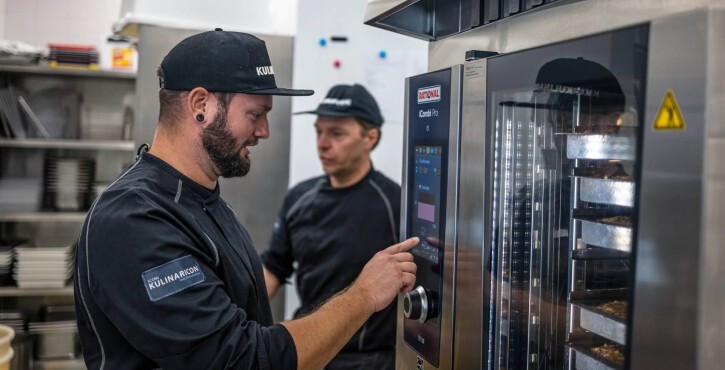
This chefless setup reduces labor needs because cooking does not require constant monitoring. Staff place food in the oven, press a button, and focus on other tasks until the oven signals completion. The process removes much of the unpredictability and skill dependence that usually demand owner presence in food service.
The physical footprint also supports semi-absentee economics. Locations use a lean 1,000–1,500 square foot design without deep fryers, grills, or Type 1 commercial hoods, which can cost more than $100,000 in traditional concepts. This streamlined build-out lowers capital costs, utilities, and maintenance complexity.
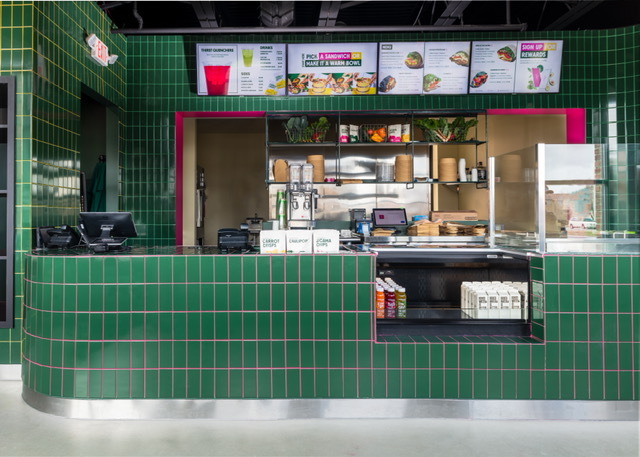
The menu targets the post-lunch productivity crash that affects many professionals. Supergreen-wrapped sandwiches provide low-glycemic nutrition that avoids the afternoon energy slump caused by processed carbohydrates. This positioning appeals to busy professionals, athletes, and health-conscious consumers who want convenient, portable meals.

Catering adds a high-margin revenue stream beyond walk-in traffic. Corporate clients increasingly recognize that heavy lunches can cause productivity losses averaging 1.5 hours per employee daily. Breadless catering presents a solution that supports measurable ROI for employers while creating recurring B2B contracts for franchisees.

Interested in a food franchise that actually works as semi-absentee? Discover how chefless technology enables true semi-absentee food service.
Realistic Time Commitments and Margins for Semi-Absentee Owners
During the launch phase, months 0–6, semi-absentee owners commonly invest 15–25 hours per week hiring staff, learning operations, and supporting early marketing. This period builds systems and culture before owners step back into a pure oversight role.
Once those systems exist, the stabilization phase, months 6–18, allows owners to shift from direct operations to managing the manager, holding regular KPI and marketing review meetings while relying on dashboards for oversight. This transition usually marks true semi-absentee status.
Semi-absentee franchise owners typically dedicate 5–15 hours per week to overseeing operations, including reviewing advertising, conducting financial meetings, approving hires and vendors, and communicating with a general manager. As noted earlier, this oversight typically falls within the broader 10–20 hour weekly range once operations stabilize.
Post-manager margins vary by category. Service-based franchises often maintain 15–25% net margins after manager compensation. Retail and food concepts may see 8–15% due to higher labor and inventory costs. Owners should confirm that remaining profit justifies their time and provides a strong return on invested capital.
Semi-absentee ownership does not create passive income. Owners remain legally and financially responsible and must provide ongoing oversight, accountability, and leadership even when managers run daily operations.
Red-Flag Checklist for Evaluating Semi-Absentee Franchises
Evaluating semi-absentee suitability requires a close look at disclosure documents and operations instead of relying on marketing language.
Item 20 Warning Signs:
High transfer rates paired with low net growth may indicate that existing franchisees want to exit. That pattern often points to operational or profitability issues that can undermine semi-absentee success.
Operational Red Flags:
- Franchises that require specialized skills or certifications that owners cannot easily delegate.
- Models that depend on owner relationships or personal reputation to retain customers.
- Complex inventory or perishable goods that demand constant oversight.
- High employee turnover that suggests deeper operational problems.
Financial Red Flags:
Without an Item 19, franchisors cannot make earnings claims outside the FDD under FTC rules, which forces buyers to rely more heavily on validation calls and existing franchisee data. Limited financial transparency should raise questions about the franchisor’s confidence in unit economics.
Manager-Hiring Checklist for Semi-Absentee Success
Semi-absentee ownership depends on hiring and keeping managers who can run locations independently while protecting brand standards and profitability.
Essential Manager Qualifications:
- Previous management experience in a similar industry or with comparable operational complexity.
- Proven ability to manage staff, schedules, and customer service without daily owner input.
- Financial literacy to read P&L statements and manage labor costs and key performance indicators.
- Problem-solving skills that allow them to handle issues without constant owner guidance.
Compensation Structure:
- Base salary that matches local market rates for similar management roles.
- Performance bonuses tied to revenue, profit margins, or customer satisfaction.
- Clear advancement paths that help retain high-performing managers.
- Benefits that reflect full-time management responsibility.
Training and Support Systems:
- Comprehensive initial training that covers operations and brand standards.
- Ongoing education to maintain skills and motivation.
- Clear escalation procedures for issues that require owner involvement.
- Regular performance reviews with defined metrics and improvement plans.
Next Steps for Evaluating Semi-Absentee Franchise Opportunities
Buyers should request validation calls with existing franchisees who operate in semi-absentee mode. These conversations should cover weekly time commitments, manager compensation, and the timeline for shifting from hands-on work to oversight.
Under the FTC Franchise Rule, franchisors must provide the FDD at least 14 calendar days before any binding agreement or payment. This window gives buyers time to review all disclosure items carefully.
Due diligence should focus on Items 15, 19, and 20. These sections outline operational restrictions, financial performance representations, and outlet and franchisee data that directly affect semi-absentee viability.
Many buyers benefit from hiring a franchise attorney to review the FDD and highlight any requirements that could block effective delegation to managers. Some franchisors include personal operation clauses that restrict absentee or semi-absentee ownership.
Ready to take the next step toward semi-absentee franchise ownership? Request your Breadless franchise information packet.
Frequently Asked Questions
How much money can I realistically make from a semi-absentee franchise?
Semi-absentee franchise profitability varies by category, location, and execution. Service-based franchises often generate 15–25% net margins after manager compensation. Food and retail concepts commonly see 8–15% due to higher operating costs. Mature brick-and-mortar pet facilities can produce $240,000–$800,000 in annual owner profit, while fitness franchises may generate $50,000–$200,000 annually depending on membership levels and efficiency. Owners should confirm that profit after manager pay still delivers a strong return on time and capital.
What is the difference between semi-absentee and passive income from franchises?
Semi-absentee franchise ownership usually requires 5–20 hours of weekly involvement in strategic oversight, financial review, and manager coaching. Passive income implies minimal or no ongoing involvement. True passive income from franchises remains rare and usually appears only when investors place capital into established, professionally managed operations. Semi-absentee owners still hold legal and financial responsibility and must provide leadership even when managers run daily operations. The model supports a separate career while building equity, but it does not function as a hands-off investment.
How long does it take to transition from hands-on to semi-absentee management?
The transition to semi-absentee status usually occurs over 6–18 months, depending on the franchise system and manager quality. The first 0–6 months often require 15–25 hours weekly for hiring, training, building systems, and learning operations. Months 6–18 involve a gradual shift from direct operations to manager oversight while owners stay involved in key decisions and performance monitoring. Most successful semi-absentee owners reach a 5–15 hour weekly commitment by months 12–18, although complex models or weak managers can extend this timeline.
What are the biggest mistakes people make when choosing semi-absentee franchises?
Many buyers choose franchises based on marketing claims instead of documented operational requirements and disclosure data. Some skip a deep review of Item 20, which shows franchisee turnover and can reveal systemic model problems. Others underestimate manager compensation and its effect on net profit. Successful semi-absentee buyers focus on franchises with documented systems that support delegation, realistic financial projections that include manager costs, and strong validation from existing semi-absentee operators. They avoid concepts that require specialized skills, personal relationships, or complex operations that resist delegation.
Can I operate multiple semi-absentee franchise locations simultaneously?
Multi-unit semi-absentee ownership is possible and often more efficient than running a single location. Owners can gain economies of scale in management oversight and shared systems. Many semi-absentee owners operate two to five locations with centralized financial monitoring and regional managers handling daily operations. Each location still needs a qualified manager, and oversight systems must track performance across units without multiplying time demands. Service-based franchises with clear systems usually support multi-unit semi-absentee ownership better than complex retail or food concepts that require intensive daily management.
