

Written by: Marc Howland, Co-Founder and CEO, Breadless
Key Takeaways
- US restaurant industry sales are projected to reach $1.55 trillion in 2026, with fast casual capturing growth from health and convenience demand.
- Traditional fast casual franchises face high build-out costs over $100,000, slowing QSR growth at 0.5%, and major chain closures.
- The Breadless chefless model removes grills and hoods, supports 7-10 week build-outs in 1,000-1,500 sq ft spaces, and simplifies labor needs.
- Breadless delivers superior nutrition with ANDI 1,000 scores and high protein density at low calories, standing apart from Sweetgreen and Cava.
- Secure a lower-risk franchise opportunity with Breadless as market saturation and operating costs continue to rise.
Fast Casual Growth Inside a $1.55 Trillion US Restaurant Market
The US fast casual market sits inside a restaurant industry that the National Restaurant Association projects will reach $1.55 trillion in 2026. This projection reflects real inflation-adjusted gains of 1.3% and steady consumer spending.
Fast casual benefits from its position between quick-service and full-service dining, attracting guests who want quality food with speed and convenience.
The table below highlights how revenue and employment growth connect to changing consumer priorities through 2027.
|
Year |
Total Restaurant Industry Revenue |
Employment Growth |
Key Growth Drivers |
|
2026 |
$1.55 trillion |
100,000 new jobs |
Consumer spending, convenience demand |
|
2027 |
$1.6+ trillion (projected) |
15.8+ million total |
Health trends, technology integration |
Within this broader market, the franchise model offers clear advantages for scaling proven concepts. The franchise sector shows resilience, with the International Franchise Association projecting more than 12,000 new franchised businesses in 2026, growing from 832,521 to 845,000 units. Fast casual brands inside this growth trend benefit from average unit volumes topping $2 million for successful emerging concepts. See how Breadless positions franchisees to pursue this $2 million plus AUV potential.
Health, Technology, and the New Fast Casual Playbook for 2026
Fast casual growth in 2026 centers on two forces: health-focused guests and smarter operations. Health-conscious consumers now expect nutrient-dense meals that still feel convenient and satisfying. Concepts that deliver strong nutrition without slowing service or raising costs gain a durable edge.
Technology investment forms the second major driver. QSR franchise operators are accelerating AI-led technology investments to reduce labor reliance in front- and back-of-house operations. These tools improve unit-level efficiency, support data-driven marketing, and reduce dependence on highly skilled kitchen staff. This evolution allows concepts like Breadless to run chefless kitchens with pre-programmed ovens and streamlined workflows.
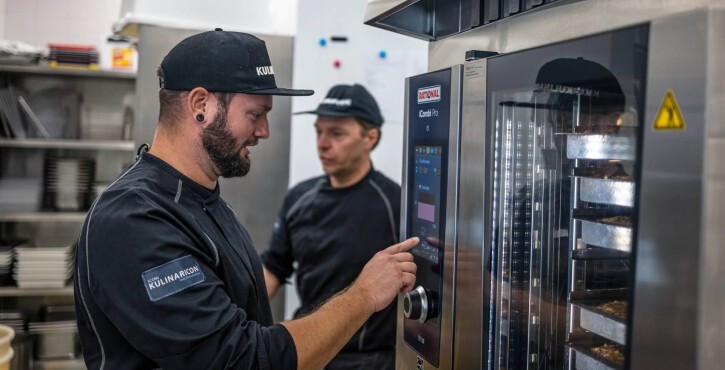
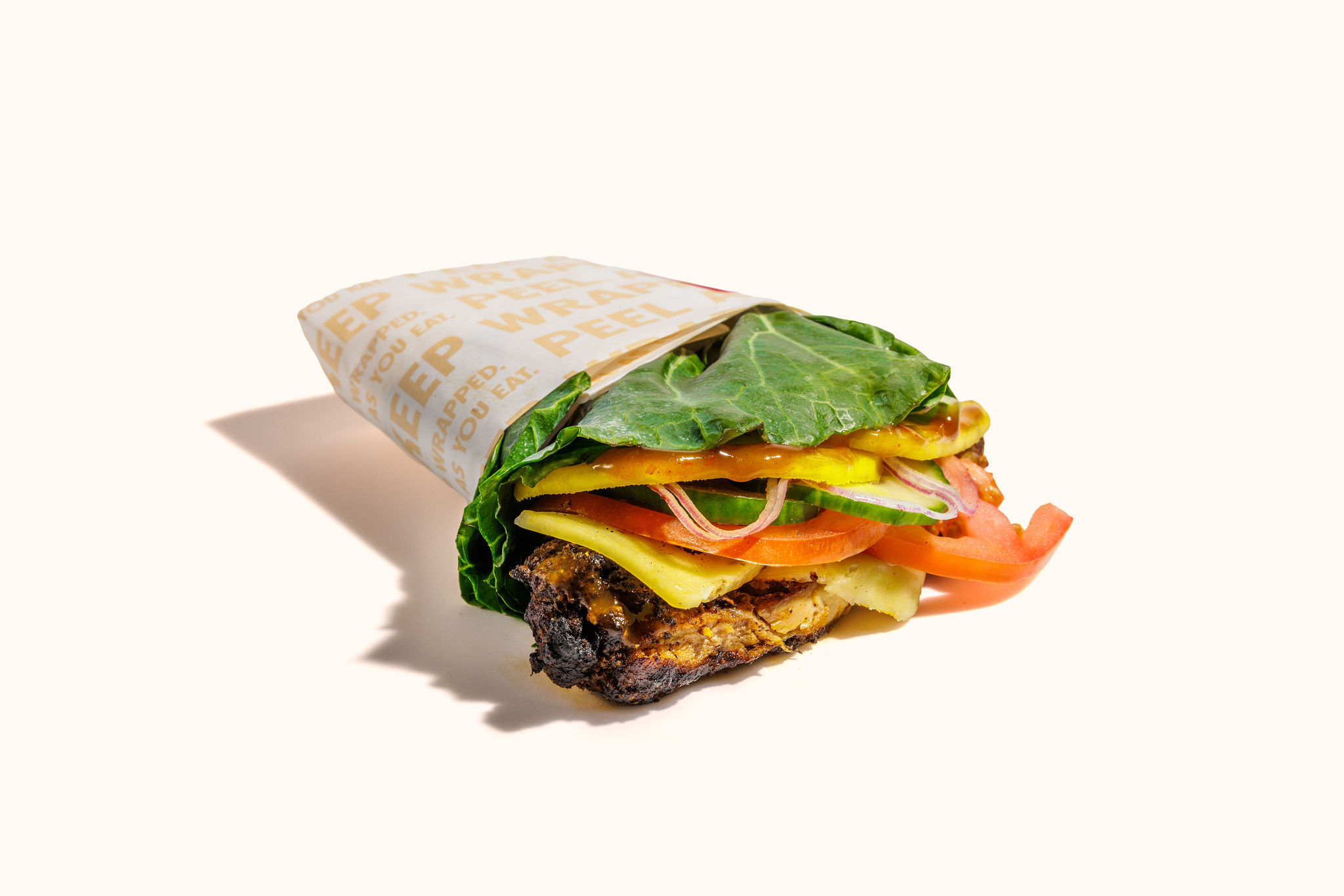
While technology solves the operational challenge, health-conscious demand requires a different kind of menu. The comparison below shows how Breadless stacks up nutritionally against established competitors.
|
Restaurant |
Product |
Calories |
Protein (g) |
|
Breadless |
Jerk Chicken & Mango |
280 |
28 |
|
Sweetgreen |
Harvest Bowl |
705 |
34 |
|
Cava |
Greens & Grains Bowl (w/ Grilled Chicken) |
677 |
33 |
This data highlights a clear nutritional edge for concepts that focus on protein density while keeping calories low. Breadless delivers protein levels comparable to Sweetgreen and Cava at less than half the calories. That combination directly serves the health-conscious guests driving fast casual growth. See how Breadless turns this calorie and protein profile into a repeat-visit habit for local customers.
Profit Benchmarks and ROI Expectations for Fast Casual Franchises
Profitability metrics guide every serious franchise investment decision. The National Restaurant Association reports that median pretax income has declined since 2019 for both full-service and limited-service restaurants. This trend makes efficient operations and lean build-outs central to franchise success.
Traditional fast casual brands feel pressure from rising labor costs, expensive kitchen equipment, and crowded markets. These forces compress margins and lengthen payback periods. Concepts that simplify kitchens and shorten build-outs can improve returns even in a cautious environment.
The table below compares typical fast casual benchmarks with the Breadless model where data can be shared.
|
Metric |
Fast Casual Average |
Breadless Benchmark |
|
Profit Margin |
6-9% |
Removed – Contact Breadless for specifics |
|
AUV |
$1.9M+ |
Removed – Contact Breadless for specifics |
|
Build-out Time |
12-16 weeks |
7-10 weeks |
The Breadless model reduces labor complexity and cuts build-out timelines to 7-10 weeks, which can lower carrying costs and speed openings. Use these benchmarks as a starting point, then calculate how a 7-10 week build-out could change your personal ROI with Breadless.
Why Breadless Stands Out as an Emerging Fast Casual Brand
Breadless tackles the core challenges facing fast casual operators with a chefless operational model and a health-forward menu. More than 50 qualified applicants already sit on the franchise waitlist, which signals strong demand while territories remain open for early partners.
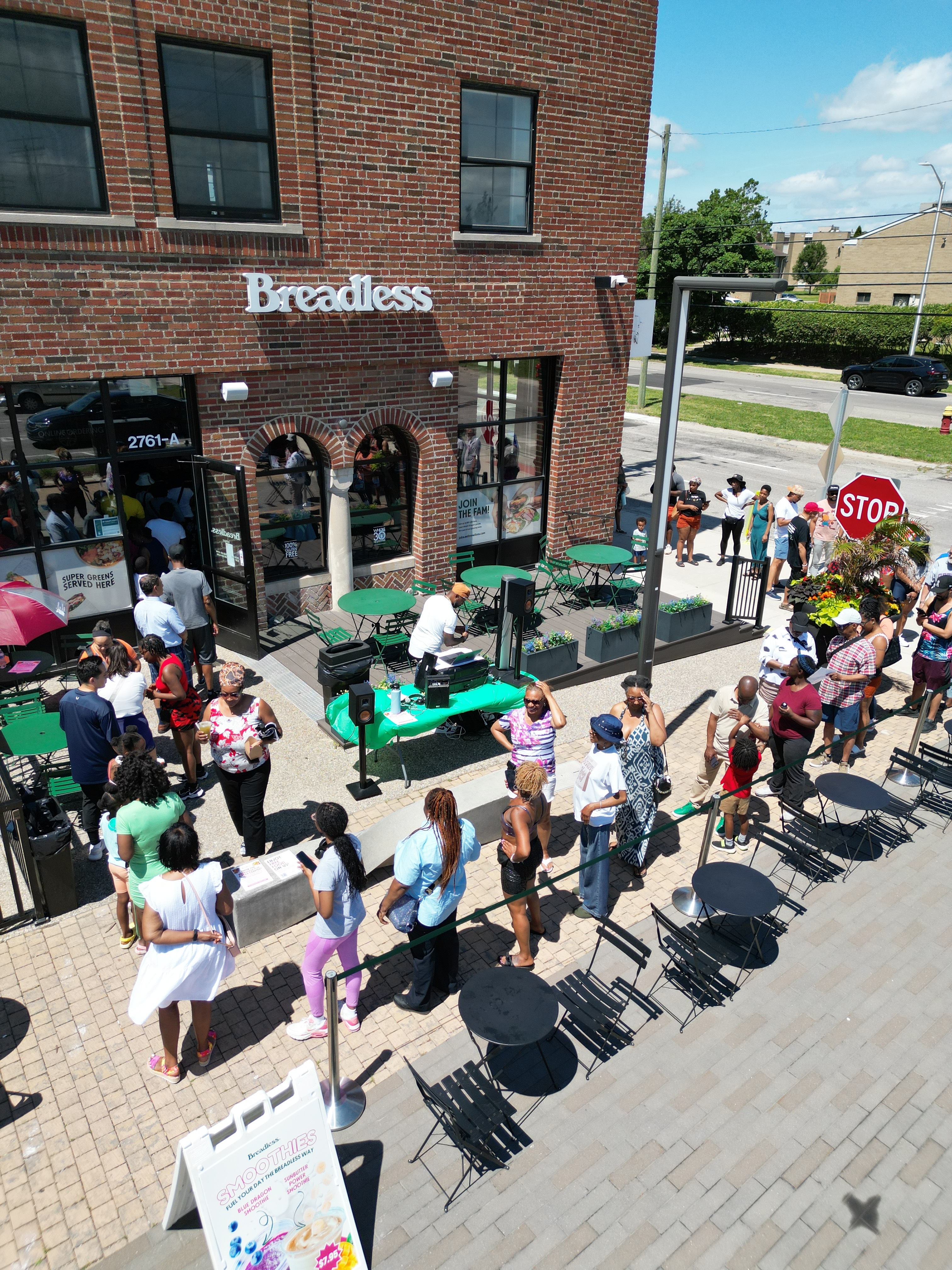
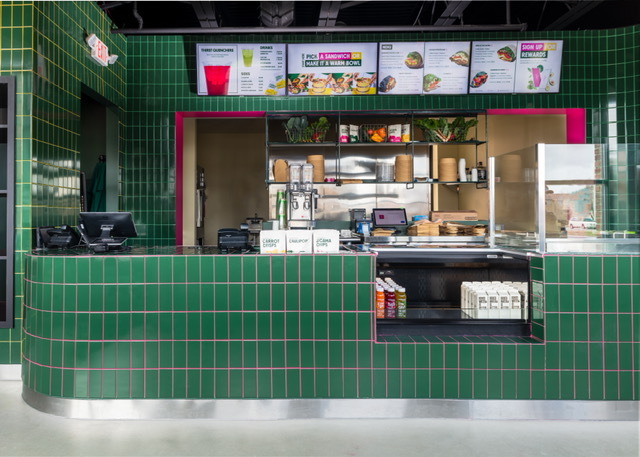
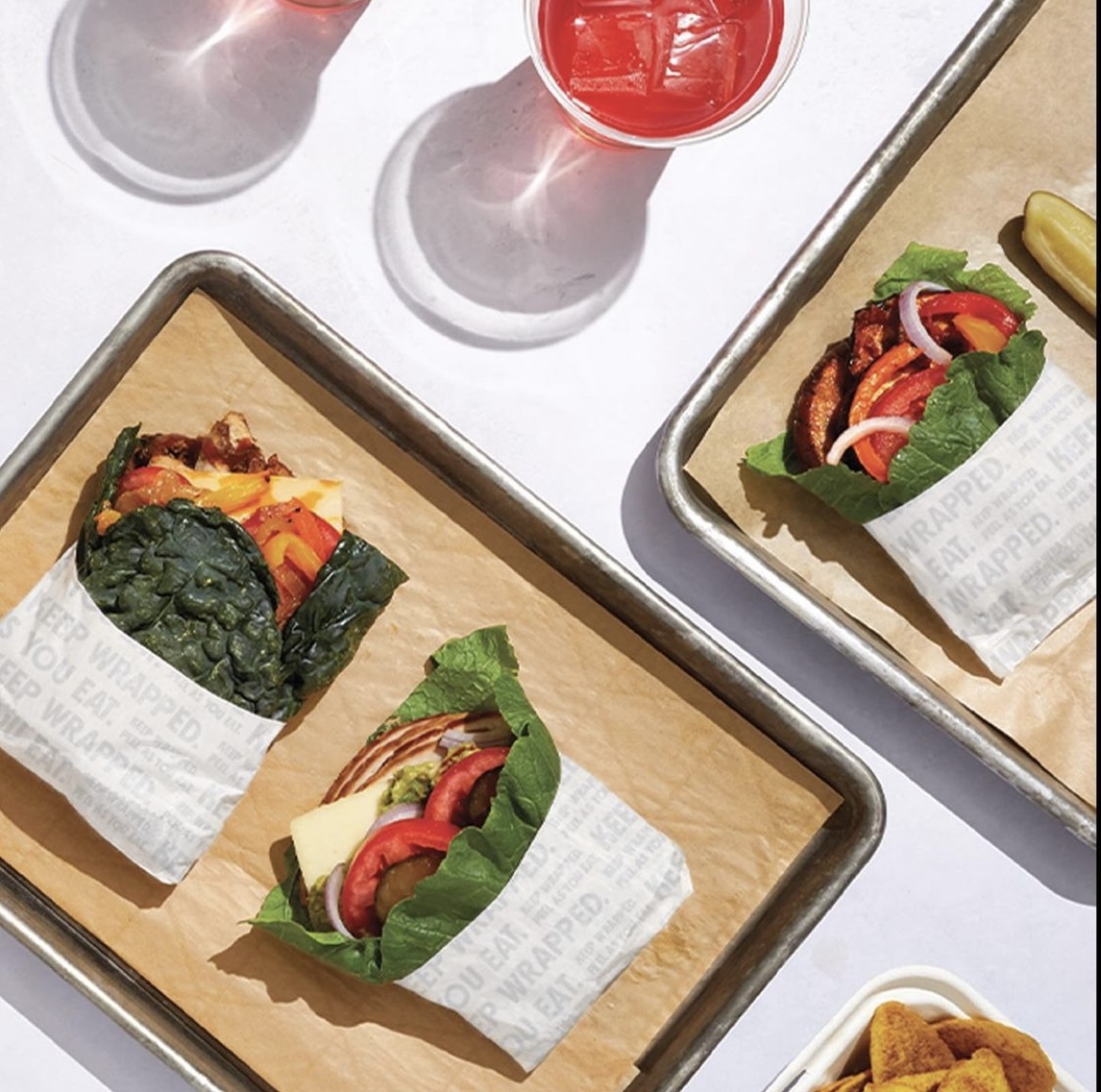
The operational advantages connect directly to this reimagined kitchen. Breadless removes grills, fryers, and costly hood systems, which cuts initial capital needs and can speed the path to profitability. This simplified setup supports a compact 1,000-1,500 square foot footprint that lowers real estate costs, while pre-programmed ovens help deliver consistent food without relying on skilled kitchen labor.
Industry recognition further validates the concept. Fast Casual Magazine named Breadless one of the “Top 20 Fast Casual Brands to Watch,” and the brand has appeared in Forbes, CBS News, and other national outlets. This visibility builds credibility and brand awareness ahead of broader expansion.
Nutritional differentiation creates a long-term moat. Breadless menu items reach the maximum 1,000 score on the Aggregate Nutrient Density Index (ANDI) for supergreen vessels and maintain Whole30 Approved status for key items. This combination places Breadless where health trends and efficient operations meet.
Join the Breadless franchise waitlist and align with this positioning early.
How Breadless Compares to Established Fast Casual Competitors
The current competitive set leaves room for concepts that are leaner, simpler, and more nutritious. Established brands like Jimmy John’s and Sweetgreen hold strong positions, yet their larger footprints and more complex kitchens create cost and staffing challenges. Breadless focuses on a smaller, more efficient model with a distinct nutritional promise.
The table below outlines key differences in footprint, kitchen approach, and nutrition focus.
|
Brand |
Footprint (sq ft) |
Kitchen Complexity |
Nutritional Edge |
|
Breadless |
1,000-1,500 |
Chefless |
ANDI 1,000 |
|
Jimmy John’s |
1,200-1,500 |
Traditional prep |
Limited |
|
Sweetgreen |
2,500+ |
Chef-dependent |
High calorie |
Breadless operates in a new category that sits apart from standard sandwich or salad concepts. This position allows franchisees to win share without fighting directly against every legacy brand on the block. The catering program adds another growth lever, with corporate clients creating recurring B2B revenue that can exceed $150,000 annually for a 25-person team. Explore how the Breadless catering model could add $150,000 or more to your yearly revenue base.
Risks, Saturation, and Smart Due Diligence in Fast Casual
Market saturation now poses a real risk for traditional fast casual brands, as shown by slowing expansion. The International Franchise Association projects only 0.5% growth for QSR franchising in 2026, which signals limited room in many established categories.
Labor challenges add another layer of pressure. Rising minimum wages and regulatory shifts push operators toward models that reduce the need for highly skilled back-of-house staff. The chefless Breadless approach, discussed earlier, helps by lowering training demands and ongoing labor costs while keeping workflows simple.
Prospective franchisees should review unit economics with care, including build-out costs, ongoing operating expenses, and local market positioning. Given the margin pressure and saturation described above, concepts with operational simplicity and clear differentiation often provide stronger risk-adjusted returns because they address the specific issues squeezing traditional operators.
Frequently Asked Questions
What is the current size of the fast casual market in the US?
Fast casual operates within a US restaurant industry projected to reach $1.55 trillion in 2026. As noted earlier, this outlook reflects healthy fundamentals, with the franchise sector adding more than 12,000 new businesses and reaching about 845,000 total units. Fast casual brands benefit from serving guests who want both quality and convenience in a single visit.
How does Breadless differ from traditional fast casual franchises?
Breadless runs a chefless kitchen that relies on pre-programmed ovens instead of grills, fryers, and costly hood systems. This structure reduces upfront investment, supports 7-10 week build-outs, and keeps daily operations straightforward. The menu uses nutrient-dense supergreens as vessels instead of bread, which creates a distinct category rather than another sandwich or salad concept.
What is the typical footprint and investment for a Breadless franchise?
Breadless locations typically operate in 1,000-1,500 square feet, which is smaller than many traditional fast casual units. This lean footprint helps lower real estate costs and avoids heavy kitchen infrastructure. The build-out window of about 7-10 weeks, compared with the 12-16 week average for many concepts, can shorten the time between signing a lease and serving guests.
How does Breadless address the restaurant industry’s labor challenges?
The simplified kitchen model reduces skill requirements through pre-programmed ovens and streamlined prep. Franchisees can hire for attitude and train for aptitude, which can lower turnover and training costs. This approach also supports a safer work environment and more consistent execution across shifts.
What territories are available for Breadless franchise development?
Breadless currently offers an open development map with strong beachhead markets available for early franchisees. More than 50 qualified applicants are already on the waitlist, which shows demand while the brand remains selective about growth. Early partners can secure larger territories and build meaningful scale in markets that are not yet saturated by similar concepts.
Conclusion: Position Breadless Within Fast Casual’s Next Growth Wave
The 2026 fast casual landscape blends large-scale opportunity with real operational challenges. While the broader restaurant industry approaches $1.55 trillion in sales, many traditional concepts face margin pressure from higher costs, staffing issues, and crowded categories. Breadless responds to these realities with a chefless model, a lean footprint, and a differentiated health-forward menu.
Experienced operators and driven professionals seeking multi-unit opportunities can use Breadless to build a scalable portfolio. Strong unit economics, simplified operations, and clear category separation position early franchisees for durable growth as the market evolves.
